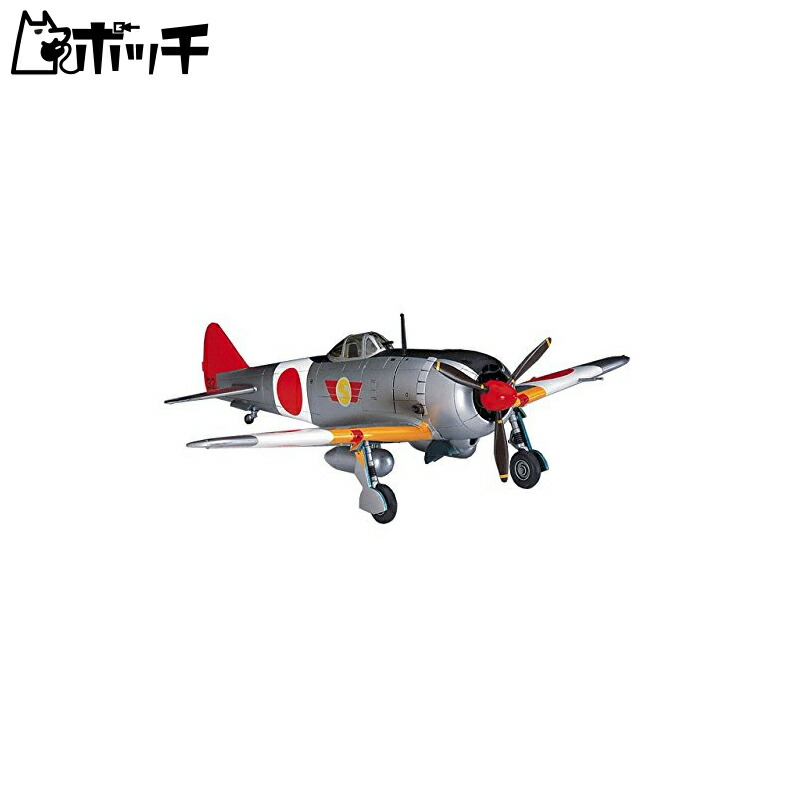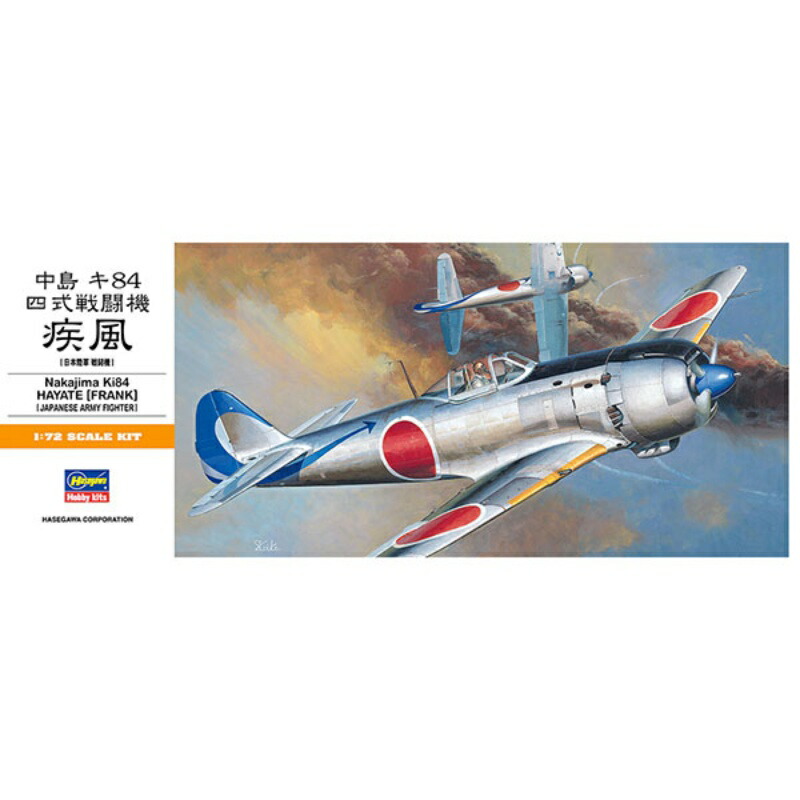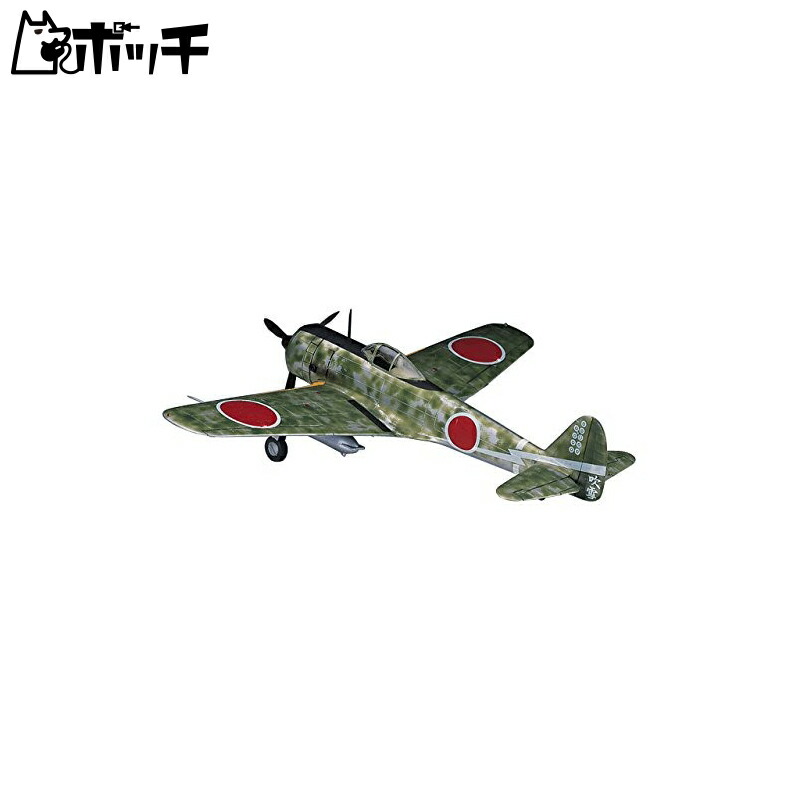
Hasegawa 1/72 Imperial Japanese Army Nakajima Type 1 Fighter Hayabusa Plastic Model Kit A1
JAN
4967834011311
ASIN
B0017TDK0A
Maker
Model No.
01131 A1
Color
Size
Description
Hasegawa-72-Imperial Japanese Army-Type 1 Fighter-Plastic Model Kit
Product Description
In December 1937, when the Nakajima Ki-27 Type 97 Fighter was formally adopted, the Army issued a prototype development order for the next-generation fighter (Ki-43) to Nakajima Aircraft Company. The first prototype was completed the following December. Test flight results showed it exceeded the Type 97 fighter's maximum speed by about 30 km/h, but its maneuverability was inferior, making it inadequate as the next-generation fighter. Subsequent modifications included changes to wing area and engine replacement. By September 1940, 13 aircraft (3 prototypes and 10 additional prototypes) were completed, but they failed to satisfy the military, which prioritized dogfighting supremacy.
However, around that time, the Army General Staff believed that long-range fighters capable of escorting convoys were essential for the Southern Campaign's capture of Singapore. Thus, the Ki-43, on the verge of being labeled a failure, found a new purpose as a long-range fighter.
By April 1941, modified prototypes achieved the required range in tests. Furthermore, its vertical maneuverability remained excellent for dogfighting. Consequently, it was formally adopted as the Type 1 Fighter in May 1941. Between June and August of that year, the 59th Fighter Squadron received approximately 30 Model I aircraft. The Hayabusa Type I was primarily deployed to the Burma Theater, significantly contributing to the initial rapid advances.
The Type 1 Fighter Model II featured an upgraded Ha-115 engine, a refined airframe design, and improved overall performance. When deployed in combat, the Model II initially held the advantage against opponents like the Buffalo, Hurricane, and P-40. However, it later struggled against the Spitfire and P-38.
Nevertheless, it remained the easiest Army fighter to handle and had the highest operational rate, so mass production continued until the end of the war.
※This product is a plastic model kit requiring assembly and painting.
※Additional items such as adhesive, tools, and paint are required for assembly and painting.
※“Plastic Model” is a registered trademark owned by the Japan Plastic Model Manufacturers Association.
Safety Warning
Brand Name: Hasegawa
Includes: Complete plastic model parts set, assembly instructions
Material: Plastic
Plastic model kit requiring assembly and painting. Additional items such as glue, tools, and paint are required.
1/72 scale unpainted plastic assembly kit
Finished Size: Length 124mm, Width 150mm
4967834011311
Hasegawa 1/72 Imperial Japanese Army Nakajima Type 1 Fighter Hayabusa Plastic Model A1
(text created at , 2025-05-13)
Product Description
In December 1937, when the Nakajima Ki-27 Type 97 Fighter was formally adopted, the Army issued a prototype development order for the next-generation fighter (Ki-43) to Nakajima Aircraft Company. The first prototype was completed the following December. Test flight results showed it exceeded the Type 97 fighter's maximum speed by about 30 km/h, but its maneuverability was inferior, making it inadequate as the next-generation fighter. Subsequent modifications included changes to wing area and engine replacement. By September 1940, 13 aircraft (3 prototypes and 10 additional prototypes) were completed, but they failed to satisfy the military, which prioritized dogfighting supremacy.
However, around that time, the Army General Staff believed that long-range fighters capable of escorting convoys were essential for the Southern Campaign's capture of Singapore. Thus, the Ki-43, on the verge of being labeled a failure, found a new purpose as a long-range fighter.
By April 1941, modified prototypes achieved the required range in tests. Furthermore, its vertical maneuverability remained excellent for dogfighting. Consequently, it was formally adopted as the Type 1 Fighter in May 1941. Between June and August of that year, the 59th Fighter Squadron received approximately 30 Model I aircraft. The Hayabusa Type I was primarily deployed to the Burma Theater, significantly contributing to the initial rapid advances.
The Type 1 Fighter Model II featured an upgraded Ha-115 engine, a refined airframe design, and improved overall performance. When deployed in combat, the Model II initially held the advantage against opponents like the Buffalo, Hurricane, and P-40. However, it later struggled against the Spitfire and P-38.
Nevertheless, it remained the easiest Army fighter to handle and had the highest operational rate, so mass production continued until the end of the war.
※This product is a plastic model kit requiring assembly and painting.
※Additional items such as adhesive, tools, and paint are required for assembly and painting.
※“Plastic Model” is a registered trademark owned by the Japan Plastic Model Manufacturers Association.
Safety Warning
Brand Name: Hasegawa
Includes: Complete plastic model parts set, assembly instructions
Material: Plastic
Plastic model kit requiring assembly and painting. Additional items such as glue, tools, and paint are required.
1/72 scale unpainted plastic assembly kit
Finished Size: Length 124mm, Width 150mm
4967834011311
Hasegawa 1/72 Imperial Japanese Army Nakajima Type 1 Fighter Hayabusa Plastic Model A1
(text created at , 2025-05-13)
Package
Size (Approx.):
Size (Approx.):
139x47x302 mm
Package
Weight (Approx.):
Weight (Approx.):
120 g
660 JPY (Including Tax)
Stock :
3
Scheduled Shipping:
2026-07-10
Quantity :
Reference Price from Other Stores